October 15, 2026
A typical peptide test report answers three questions: is this the right compound, how much of it is there, and how pure is it? Those answers matter, but they are not the whole picture. Several properties that laboratories care about are measured with entirely separate methods, and a report only covers the tests that were…
Read article: Sterility, Endotoxins and Heavy Metals: What a Peptide Test Report Doesn’t CoverOctober 12, 2026
Most research peptides are sold as lyophilised (freeze-dried) powder rather than as a liquid. One practical reason is transport: a dry, sealed vial is far more tolerant of the time it spends in the post than a solution would be. Here is what happens between our dispatch bench and your laboratory, and what to do…
Read article: Shipping Lyophilised Peptides in Australia: What Happens in Transit
October 9, 2026
A test report is only useful if it belongs to the vial in front of you. Anyone can paste a chromatogram into a product listing. What separates a verifiable report from a decorative one is a way to check it against the laboratory’s own records, and a clear link between the report and a specific…
Read article: How to Verify a Peptide Lab Report Before You Trust ItOctober 5, 2026
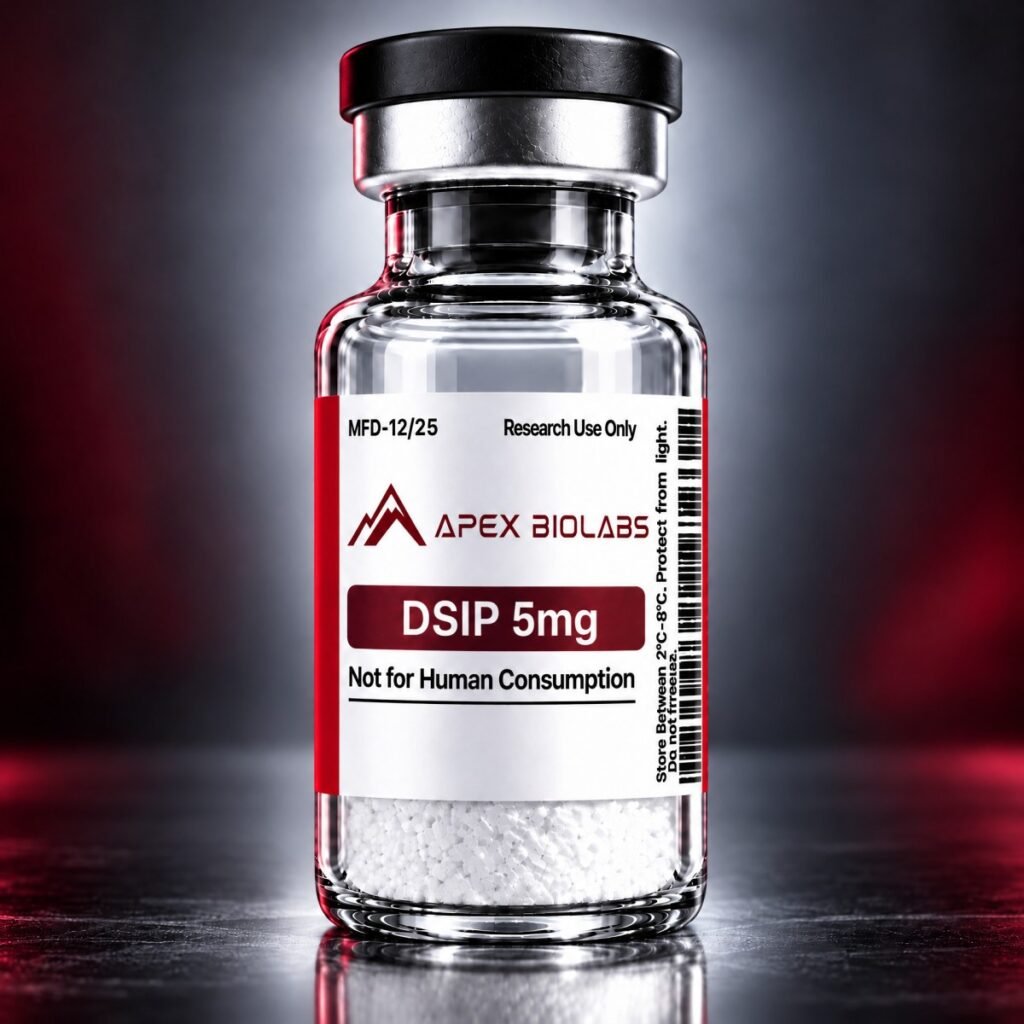
Where delta sleep-inducing peptide got its name, its nine-residue sequence, why light matters for a tryptophan peptide, and what the independent report on our 5 mg vial found.
Read article: DSIP: the nonapeptide, its 1977 discovery, and lab reportOctober 5, 2026
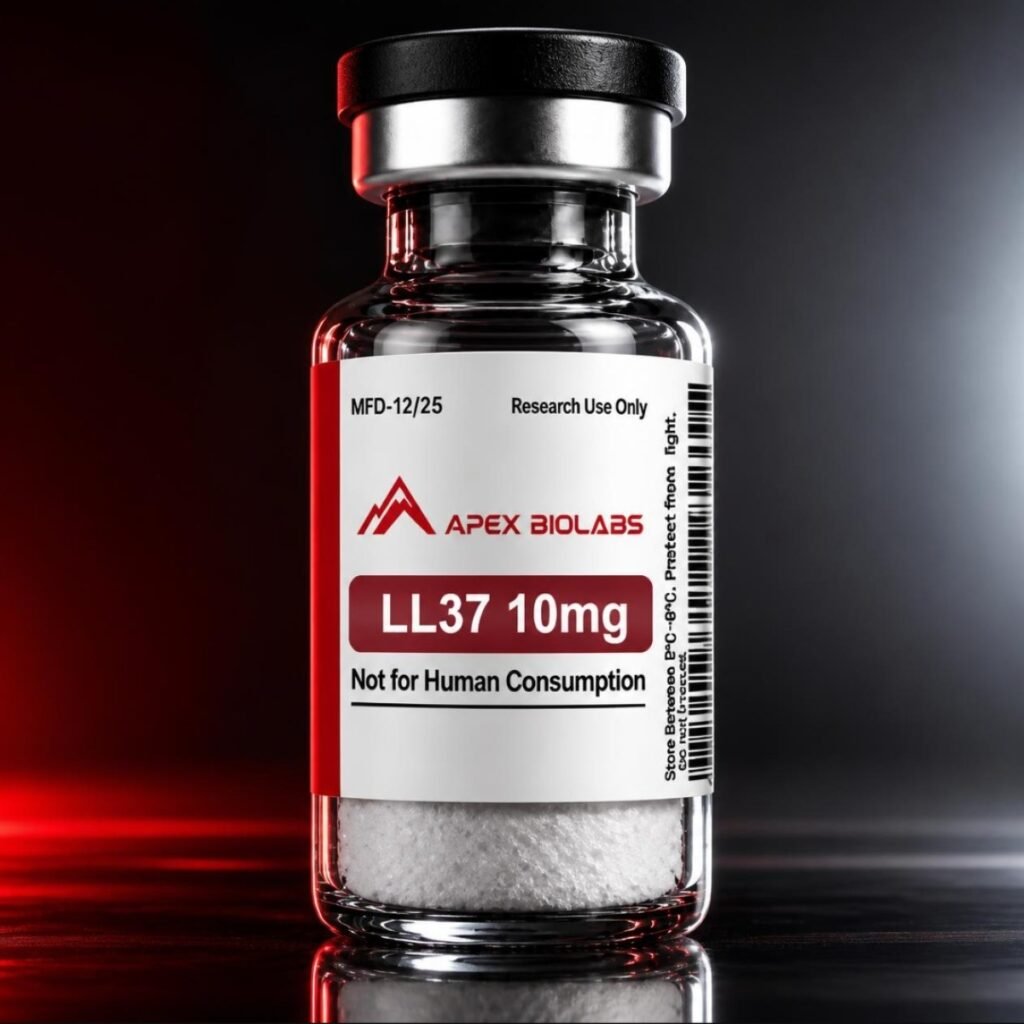
Where LL-37 comes from, what its 37-residue sequence looks like, why its charge matters when handling it, and what the independent report on our 10 mg vial found.
Read article: LL-37: the human cathelicidin peptide, sequence and lab reportOctober 5, 2026
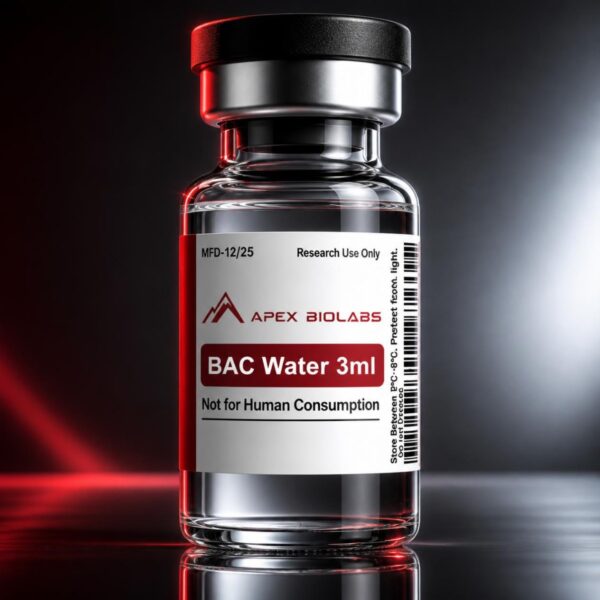
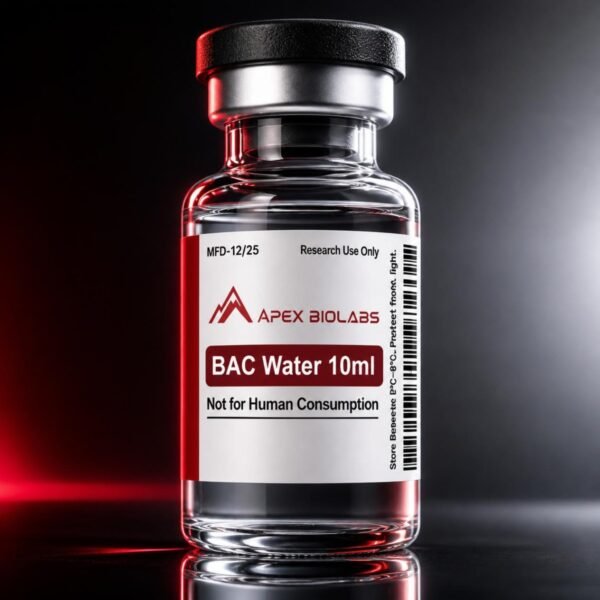
What makes water "bacteriostatic", how it differs from sterile water, choosing between 3 mL and 10 mL vials, and what the independent lab report on our vials measured.
Read article: Bacteriostatic water: what it is, and how it differs from sterile waterOctober 4, 2026
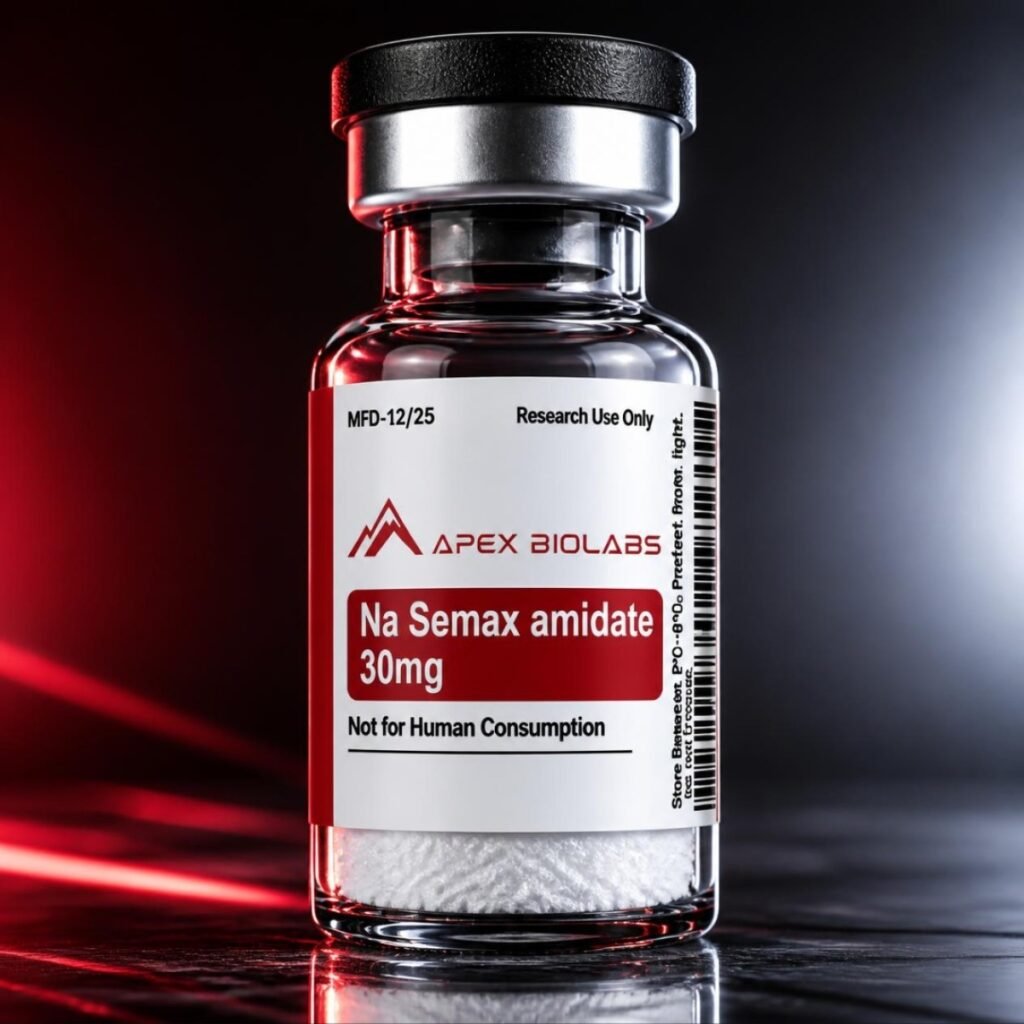
The sequences behind Selank and Semax, what the N-acetyl and amidate modifications change in the molecule, and what the reports on our 30 mg vials found.
Read article: Selank and Semax: what N-acetyl and amidate meanOctober 4, 2026
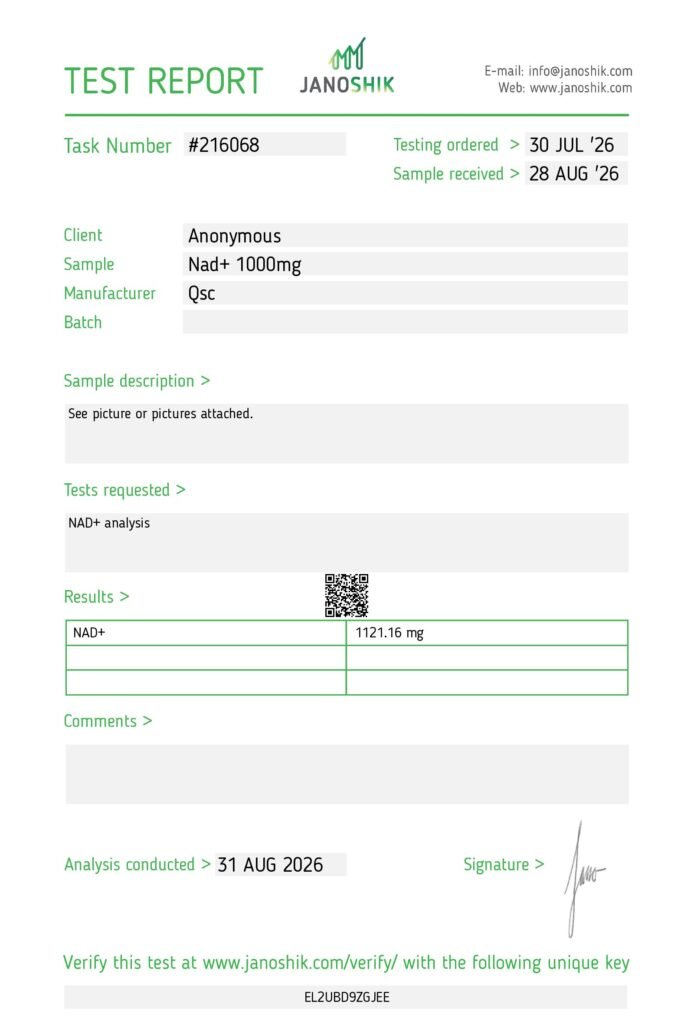
What NAD+ is, how it differs from NADH in the lab, why pH matters for its stability, and what the independent report on our 1000 mg vial measured.
Read article: NAD+: the coenzyme, its two forms, and how to store itOctober 4, 2026
What LY3437943 is structurally, how Janoshik's blind test tells it apart from similar peptides, and what the reports on our 15 mg and 30 mg vials found.
Read article: Retatrutide (LY3437943): structure, identity testing and storageOctober 4, 2026
The sequences and sizes of BPC-157 and TB-500, how the combined vial is tested, and what its independent lab report measured.
Read article: BPC-157 and TB-500: the two peptides in our 20 mg blend